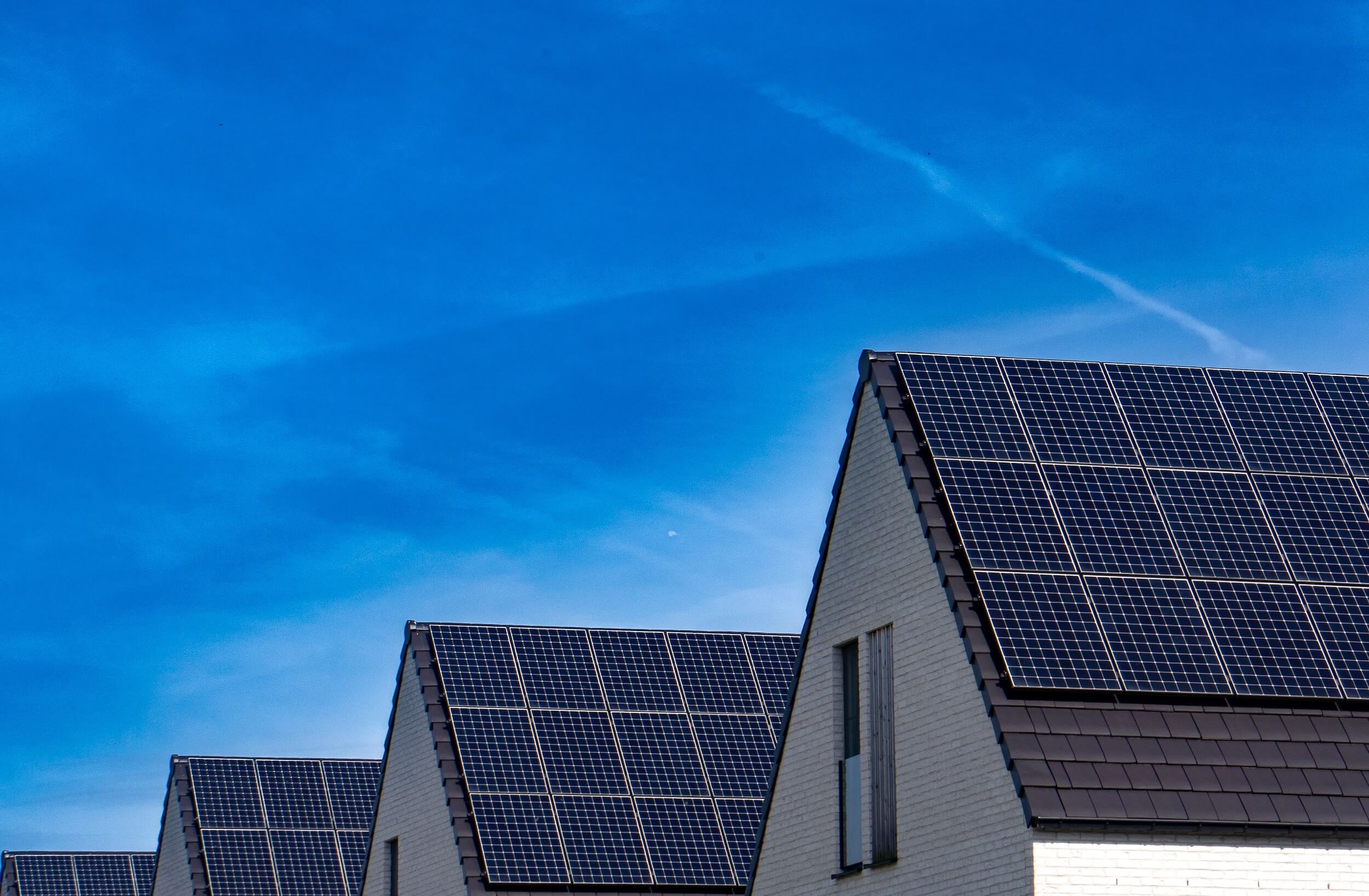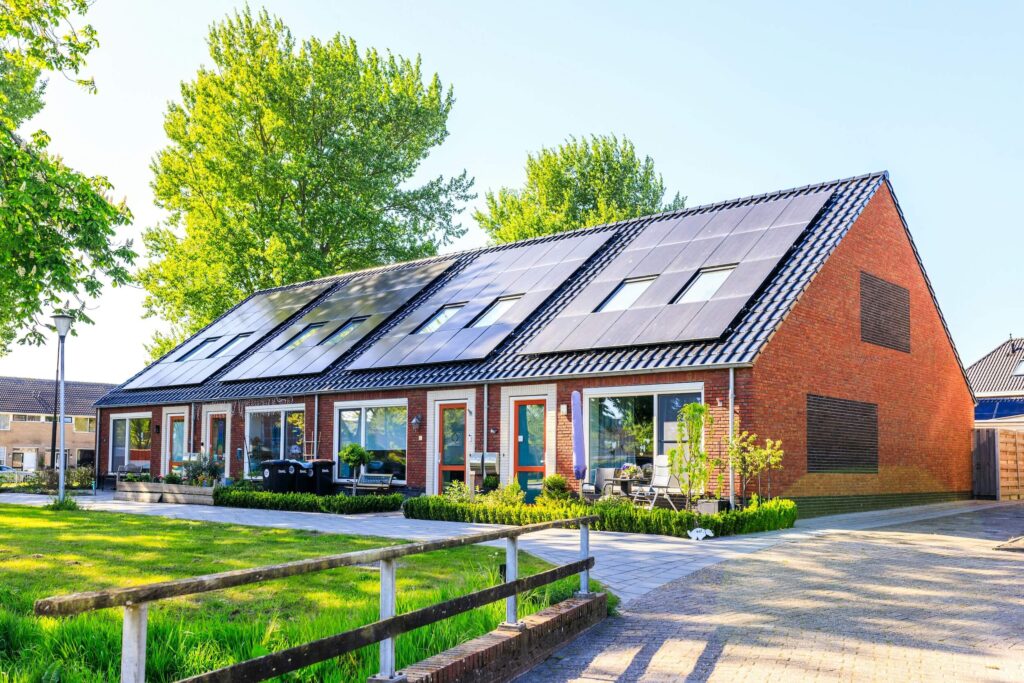

In South Africa, especially in regions like the Garden Route where load shedding, rising electricity costs, and grid instability remain ongoing challenges, solar batteries have become a critical part of modern energy systems.
Solar batteries store energy for use during load shedding, at night, or when solar production is low.
For most homeowners and businesses, one of the key questions is:
“How long will my solar batteries actually last?”
The answer depends on the type of battery, how it is used, and — most importantly — how well the system is designed and maintained.
What Do Solar Batteries Actually Do?
Solar batteries store excess energy generated by your solar panels during the day.
That stored energy is then used:
- during load shedding
- at night
- on cloudy days
- during peak electricity tariff periods
In hybrid systems, batteries work alongside the grid. In off-grid systems, they are essential for supplying all electricity needs.
Average Lifespan of Solar Batteries
The lifespan of a solar battery depends mainly on its chemistry and usage cycles.
Lithium-ion batteries
Typical lifespan: 8–15 years
Lithium batteries are the most common choice for modern solar systems. They offer:
- high efficiency
- deep discharge capability
- long cycle life
- low maintenance
These are widely used in hybrid and off-grid solar systems.
Lead-acid batteries
Typical lifespan: 3–7 years
Older and less expensive, but they:
- have shorter lifespans
- require more maintenance
- cannot be discharged as deeply
- are less efficient over time
They are becoming less common in modern installations.
What Affects Battery Lifespan?
Battery lifespan is not fixed. It depends heavily on how the system is designed and used.
1. Depth of discharge
This refers to how much of the battery capacity is used before recharging.
- Shallow cycling = longer lifespan
- Deep cycling every day = shorter lifespan
Lithium batteries handle deep cycling much better than older technologies.
2. System sizing
An undersized battery system is forced to work harder every day.
This leads to:
- faster degradation
- reduced performance
- shorter lifespan
Correct sizing is one of the most important factors in battery longevity.
3. Charging behaviour
Batteries last longer when they are:
- charged properly during the day
- not overcharged or undercharged
- supported by correctly configured inverters
Poor system configuration can significantly reduce lifespan.
4. Temperature conditions
Extreme heat or poor ventilation can reduce battery efficiency and lifespan over time.
Proper installation includes:
- ventilation
- temperature control considerations
- safe mounting locations
5. Daily usage cycles
The more frequently a battery is cycled (charged and discharged), the faster it will wear out.
However, modern lithium batteries are designed to handle thousands of cycles.
How Many Cycles Do Solar Batteries Last?
Most lithium batteries are rated for:
- 3,000 to 6,000 cycles (standard range)
- up to 10,000 cycles (premium systems)
A cycle is one full charge and discharge.
In real-world use, this usually translates to:
- 8–15 years of residential use
- longer lifespan for lighter usage systems
When Will You Need to Replace Batteries?
You may need to replace batteries when you notice:
- reduced backup time during outages
- faster depletion than usual
- inability to hold full charge
- system warnings or errors from the inverter
In most cases, battery degradation is gradual rather than sudden.
Can Solar Batteries Be Extended or Upgraded?
Yes, in many cases.
Depending on the system design, you can:
- add additional battery capacity
- upgrade to newer lithium technology
- expand hybrid systems over time
However, compatibility with the inverter and existing system must be checked carefully.
Are Solar Batteries Worth It?
For most South African homes and businesses — including coastal regions like the Garden Route — yes.
Solar batteries provide:
- backup during load shedding
- reduced reliance on the grid
- better energy control
- improved resilience for critical loads
For many properties, batteries are what make solar systems practical during outages, not just during the day.
The Most Important Factor: System Design
Battery lifespan is often less about the battery itself and more about how the system is designed.
A well-designed system ensures:
- correct battery sizing
- efficient charging from solar panels
- balanced daily usage
- long-term system stability
A poorly designed system can reduce lifespan significantly, even with high-quality batteries.
Conclusion
Solar batteries typically last between 8 and 15 years, but real-world performance depends far more on system design than on the battery itself.
Lithium-ion batteries are now the standard for most residential and commercial solar systems due to their long lifespan, efficiency, and reliability.
In South Africa’s conditions — where backup power is essential rather than optional — correctly designed battery systems are critical to long-term reliability, cost control, and energy independence.
If you are considering solar installation, battery design and sizing should be treated as carefully as panel selection, because it directly affects performance, lifespan, and total cost of ownership.
Solarain designs and installs hybrid and off-grid solar systems across South Africa and the Garden Route, including properly sized battery storage systems built for long-term performance, load shedding resilience, and sustainable energy independence.