
Homeowners in the Garden Route — including areas such as Plettenberg Bay and Knysna — are facing challenges that were far less common a decade ago. Rising electricity tariffs, water restrictions, ageing infrastructure, and increasing utility costs are forcing many people to rethink how their homes operate.
Future-proofing your home is no longer just about adding value to your property. It’s about creating a home that remains comfortable, efficient, and resilient regardless of what happens with municipal services.
The good news is that future-proofing doesn’t require going completely off-grid. Small, strategic upgrades can significantly improve your home’s independence, reliability, and long-term running costs.
What Does It Mean to Future-Proof Your Home?
A future-proof home is designed to adapt to changing conditions while maintaining essential services and keeping operating costs under control.
This includes:
- Reliable power during outages
- Secure water supply during restrictions
- Reduced utility costs
- Improved energy efficiency
- Greater resilience to infrastructure failures
The goal is not complete self-sufficiency for everyone. Instead, it is about reducing vulnerability and increasing control over your home’s essential resources.
Start with Energy Security
For most homes in the Garden Route, electricity remains the biggest concern.
Even where outages are less frequent than in previous years, rising electricity costs and long-term grid pressure continue to affect households.
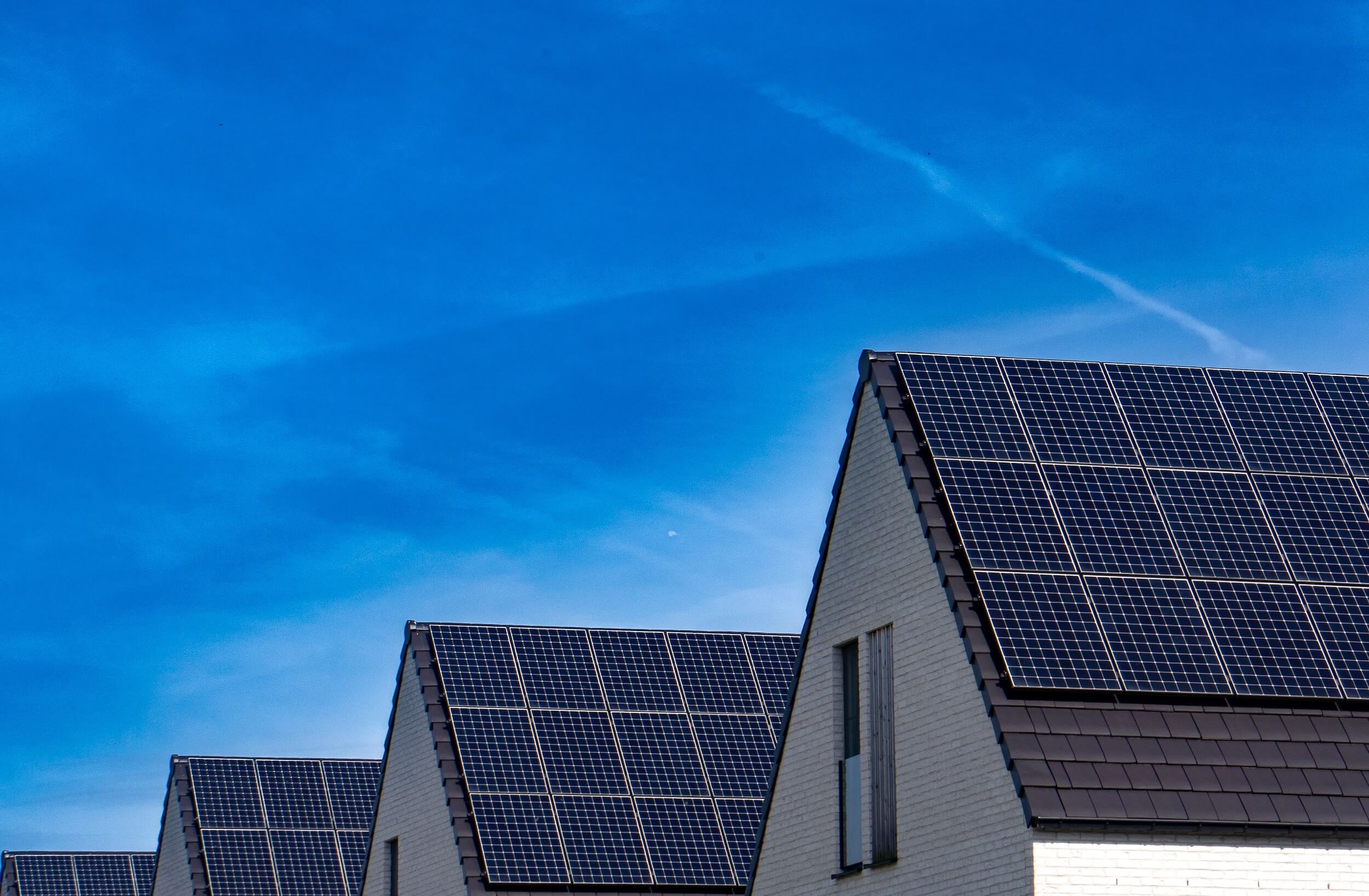
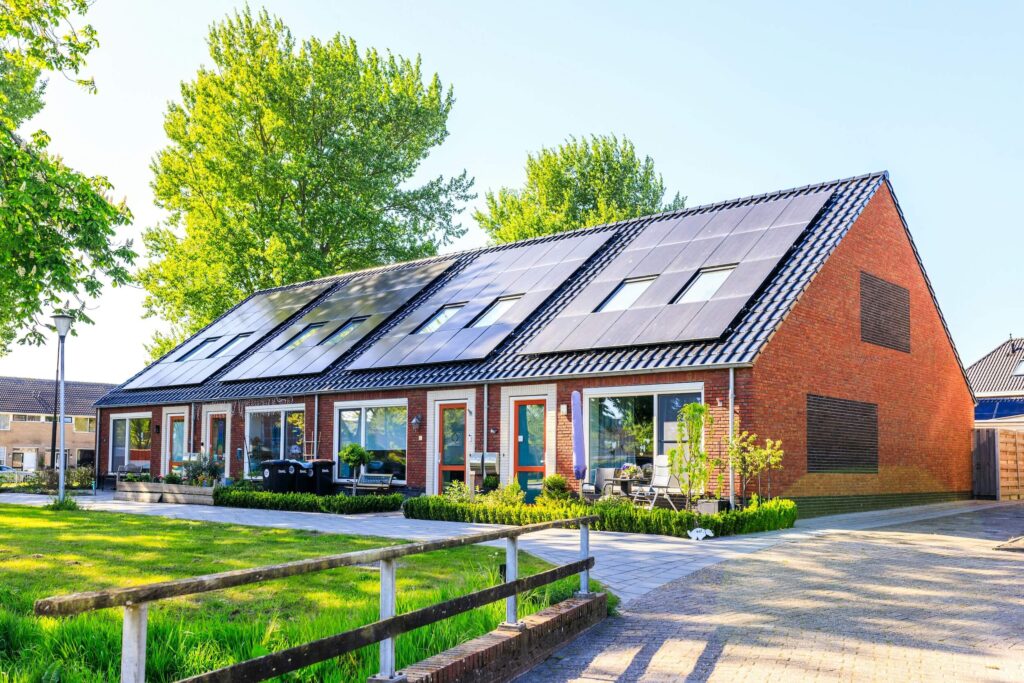
Solar energy systems are one of the most effective ways to future-proof a property.
Options include:
Grid-Tied Solar
Reduces electricity bills by generating power during the day while remaining connected to the municipal grid.
Hybrid Solar Systems
Combines solar panels, battery storage, and grid connection. This provides backup power during outages while reducing electricity costs.
Off-Grid Solar Systems
Provides complete energy independence for properties that want to operate without municipal electricity.
For most homes in coastal towns like Knysna and Plettenberg Bay, hybrid systems offer the best balance between affordability, resilience, and flexibility.
Secure Your Water Supply
Water security is becoming just as important as energy security across the Garden Route.
Water restrictions, infrastructure failures, and supply interruptions can leave homes vulnerable if they rely entirely on municipal water.
A resilient water system may include:
- Rainwater harvesting
- Water storage tanks
- Filtration systems
- Water purification systems
- Backup pumping solutions
These systems can provide water for irrigation, household use, and in some cases, drinking water when properly treated.
Invest in Water Storage
Even properties that remain connected to municipal supply can benefit from water storage.
In areas like Knysna and surrounding catchments, storage provides:
- Backup during supply interruptions
- Protection against restrictions
- Greater flexibility during peak demand periods
Many homeowners are surprised at how much resilience can be gained simply by adding correctly sized storage capacity.
Improve Water Quality
Water quality can vary depending on location and infrastructure.
Water filtration and purification systems help ensure safe, reliable water for daily use.
Depending on your needs, systems may include:
- Sediment filtration
- Carbon filters
- UV purification
- Multi-stage filtration systems
These solutions are particularly valuable when integrating rainwater harvesting or alternative water sources.
Reduce Overall Consumption
Future-proofing is not only about generating or storing resources. It is also about using them more efficiently.
Simple improvements can make a significant difference:
- LED lighting
- Smart energy monitoring
- Water-efficient fittings
- Leak detection systems
- Efficient appliances
- Improved insulation
Reducing consumption lowers operating costs and reduces the size of the systems required.
Consider Integrated Systems
The most resilient homes are not built around a single product.
Instead, they combine multiple systems that work together.
An integrated home resilience system may include:
- Solar power
- Battery backup
- Rainwater harvesting
- Water storage
- Filtration and purification
- Solar water pumping
- Monitoring and automation
These systems create layers of protection that improve reliability and reduce dependence on external infrastructure.
Think Long-Term, Not Short-Term
One of the biggest mistakes homeowners make is only reacting when problems occur.
Installing a generator after repeated outages or adding water tanks during restrictions often costs more and provides fewer options than proactive planning.
Future-proofing works best when viewed as a long-term investment in:
- Property value
- Lower utility costs
- Lifestyle security
- Reduced dependence on municipal services
Conclusion
Future-proofing your home in South Africa’s Garden Route is about creating a property that can adapt to changing conditions while remaining comfortable, efficient, and reliable.
Whether that means installing a hybrid solar system, adding water storage, improving filtration, or integrating multiple solutions, every step towards greater resilience provides long-term benefits.
Solarain helps homeowners across the Garden Route — including Knysna and Plettenberg Bay — build resilient properties through integrated solar, water, storage, and backup systems designed for local conditions.
By combining energy and water security into one coordinated approach, homeowners can reduce risk, lower costs, and gain greater independence from increasingly strained infrastructure.